Lenses for Film Cameras
Introduction
Film camera lenses are optical devices that focus light onto the film plane, creating the image. Understanding different lens types and their characteristics is essential for film photographers to achieve their creative vision. Unlike digital photography, lens choice in film photography is particularly important as you cannot change ISO or easily preview results.
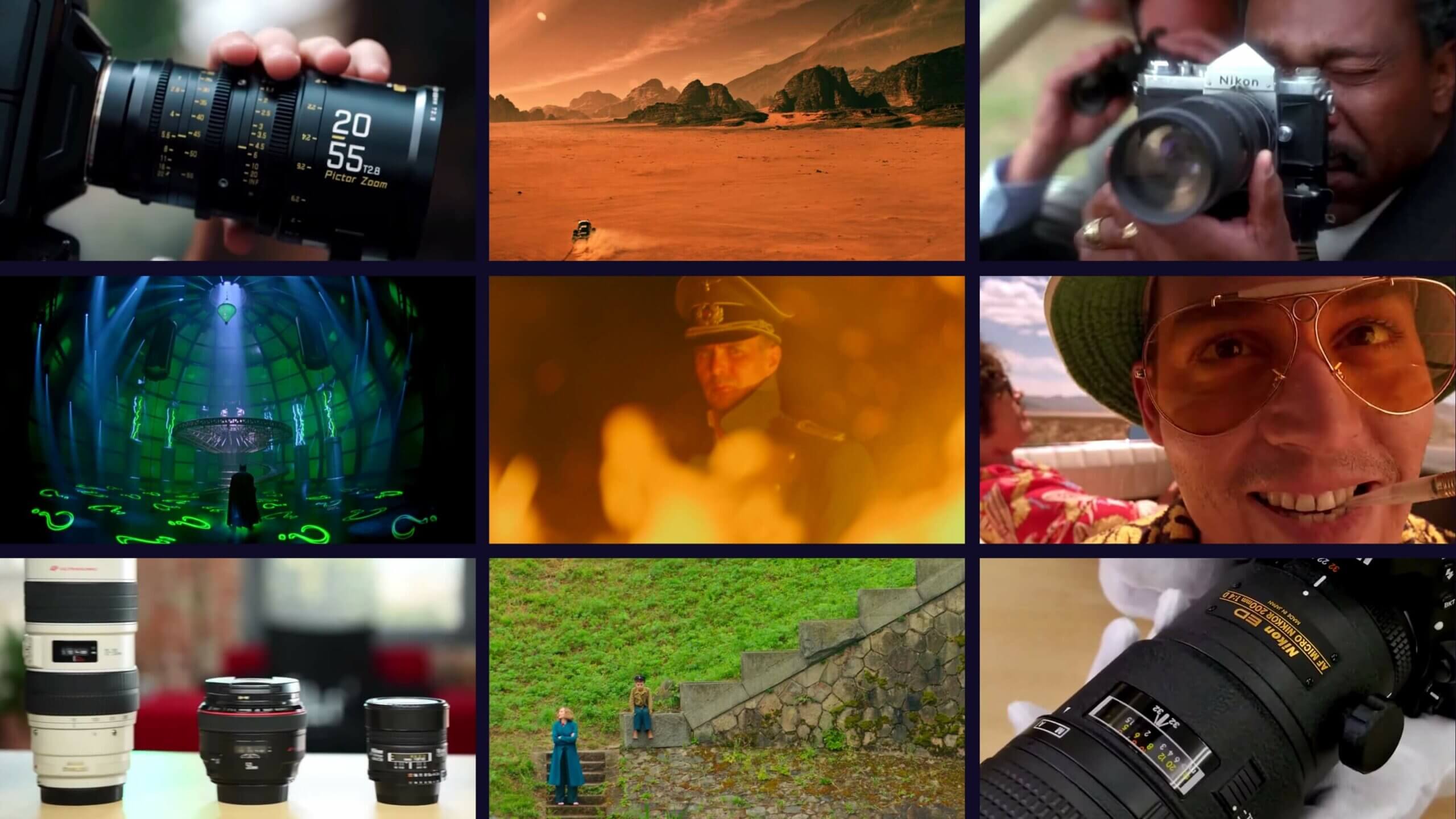
Various types of camera lenses for film photography. Image: StudioBinder
Key Principles and Terminology
- Focal Length: The distance between the lens's optical center and the film plane when focused at infinity. Determines the angle of view and magnification.
- Prime Lenses: Fixed focal length lenses known for their exceptional sharpness and clarity.
- Zoom Lenses: Variable focal length lenses offering versatility but often with some compromise in image quality.
- Aperture: The opening in the lens that controls how much light passes through, measured in f-stops.
- Lens Mount: The connection system between the camera body and lens, varies by manufacturer.
- Lens Coatings: Special treatments applied to lens elements to reduce flare and improve contrast.
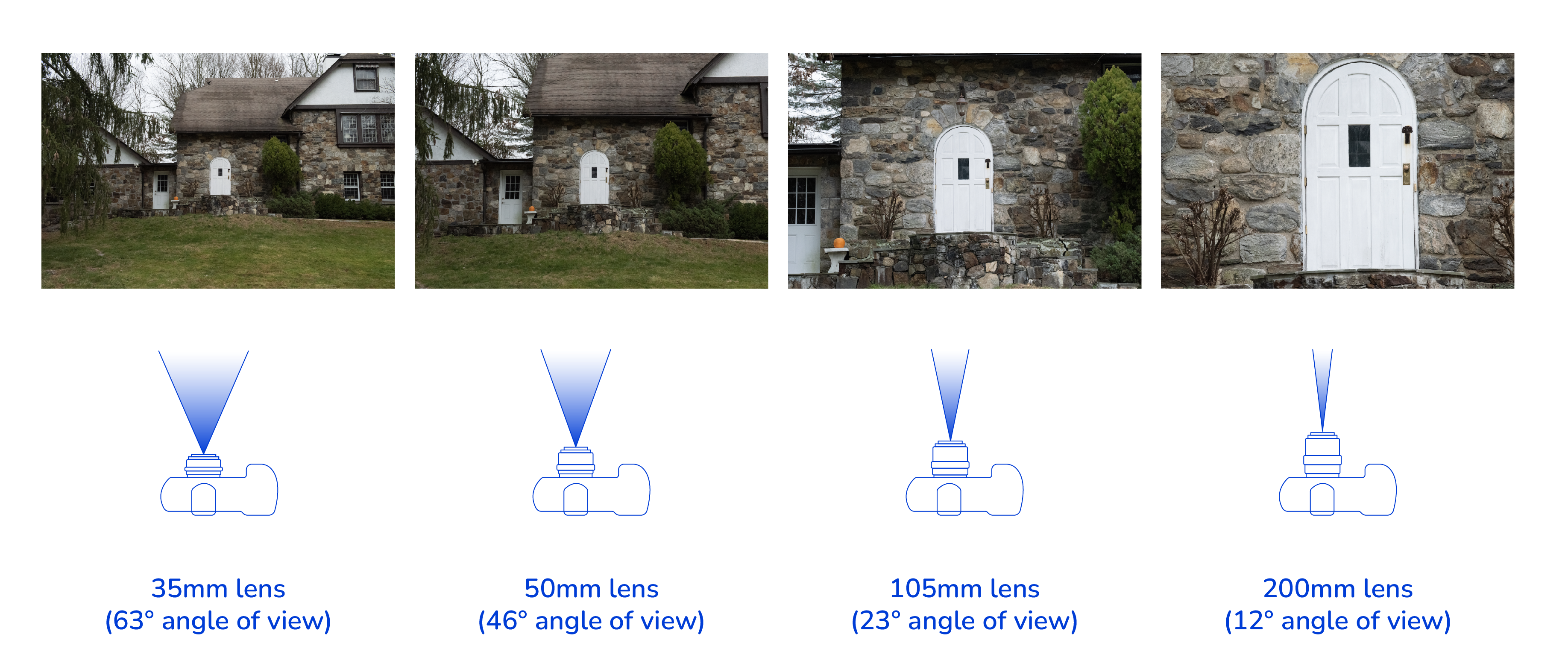
Diagram showing different lens types and their characteristics. Image: CUNY Pressbooks Network
Types of Lenses
Wide-Angle Lenses (35mm or less)
- Broader field of view
- Great for landscapes, architecture, and environmental portraits
- Creates a sense of depth and space
Standard Lenses (35mm-50mm)
- Approximates the human eye's perspective
- Natural-looking images with minimal distortion
- Versatile for everyday photography
Telephoto Lenses (85mm and longer)
- Brings distant subjects closer
- Compresses perspective
- Ideal for portraits, wildlife, and sports photography
Specialty Lenses
- Macro: For extreme close-up photography
- Tilt-shift: Controls perspective and focus plane
- Fisheye: Creates ultra-wide, distorted images
Practical Tips for Beginners
- Start with a standard 50mm prime lens—affordable and versatile
- Consider lens compatibility with your specific camera mount
- Invest in quality lenses that will outlast camera bodies
- Learn to change lenses quickly and safely to avoid dust on film
- Practice zone focusing techniques for street photography
- Understand how different focal lengths affect perspective and composition
Common Mistakes to Avoid
- Using incompatible lens mounts (can damage equipment)
- Choosing lenses that are too heavy for your camera body
- Neglecting lens maintenance and cleaning
- Focusing solely on technical specifications rather than image quality
- Using inappropriate focal lengths for specific subjects (e.g., wide-angle for portraits)
- Forgetting to remove lens filters when not needed
Examples and Case Studies
- Landscape Photography: Wide-angle lenses (24mm-35mm) capture expansive scenes with dramatic perspective
- Portrait Photography: Medium telephoto lenses (85mm-105mm) provide flattering perspective and background separation
- Street Photography: 35mm or 50mm lenses offer discretion and natural perspective
- Architectural Photography: Tilt-shift lenses correct perspective distortion in buildings
- Nature Close-ups: Macro lenses reveal intricate details in flowers, insects, and textures
Continue Learning
Now that you understand the basics of film camera lenses, you might want to explore:
- Composition Techniques - Learn how to arrange visual elements within your frame
- ISO and Film Sensitivity - Understand how film sensitivity affects your images
- Test Your Knowledge - Take a quiz on film camera lenses
- Practice with Flashcards - Reinforce your learning with flashcards